
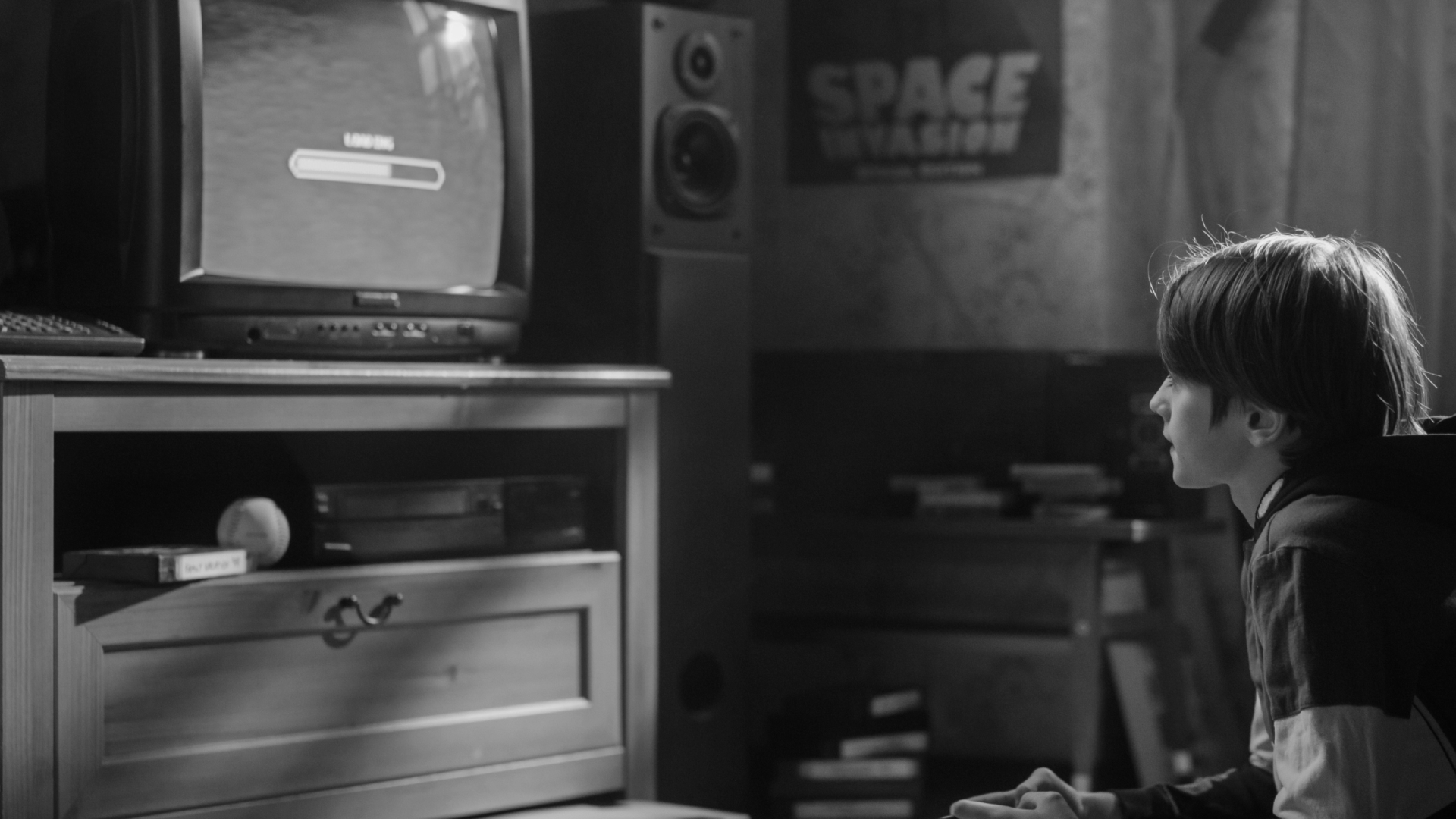
The best game designers in the world have been quietly solving UX problems for decades that most digital product teams are still struggling with today.
That is not a coincidence. Game studios live and die by engagement. If a player puts the controller down in the first 15 minutes and never comes back, that is a failed product. Full stop. That kind of pressure creates a discipline around experience design that most industries simply do not have.
After 22 years building digital products for consumer brands, we have seen the same patterns show up over and over again. The brands with the strongest digital experiences understand something that game designers figured out a long time ago: the experience is part of the product. You cannot separate how something feels to use from whether it is worth using at all.
Here is what game design gets right, and what most digital products still get wrong.
The best games drop you in. There is no manual. There is no mandatory tutorial you have to sit through before you are allowed to play. The environment teaches you. The mechanics teach you. You do something, something happens, you learn. The feedback loop is fast, clear, and built directly into the experience.
Now look at your digital product. How much does a new user have to read, watch, or sit through before they can actually use it? How many tooltips, welcome screens, and setup flows are standing between them and the thing they came for?
If a product needs a tutorial to function, that is a design problem, not a user problem. The best experiences teach through doing. Feedback arrives at exactly the right moment, in exactly the right context, and users figure it out naturally.
Tutorials are an admission that something was not intuitive enough. Sometimes they cannot be avoided. But they should always be the last resort, never the first solution.
Game studios spend enormous resources on the first 10 to 15 minutes of a game because they know the data. If it does not click fast, players put the controller down and they rarely come back. That window is not just about entertainment. It is about signaling that this thing is worth investing time in.
Digital products have the same window.
When a new user arrives in your experience for the first time, they are making a decision quickly. Does this feel right? Is this going to be worth it? Can I figure this out? If they do not start getting answers fast, they mentally check out. And once someone is gone in their head, they are gone. Winning them back is a much harder and much more expensive problem than getting it right the first time.
This is why getting users to their first moment of value as fast as possible matters so much. Not after onboarding. Not after setup. Their first moment. The one where something clicks and they think: okay, I get this. This is worth it. Everything else can wait until after that moment lands.
Hard levels are good. Tough challenges that require real effort are rewarding precisely because something was earned to get there. Game designers understand this deeply. Intentional friction makes the payoff feel like a payoff.
The problem in digital products is not friction itself. It is friction that serves no one.
There is a real difference between a design decision that makes the eventual reward feel more meaningful and a checkout flow that just makes people frustrated. Most of the friction we see in digital products is not strategic. It is not intentional. It is just things that nobody got around to fixing. Forced account creation before checkout. Pricing buried three clicks deep. Forms asking for information that should not be required at that stage.
None of it makes the payoff better. It just makes the path harder for no reason.
When friction exists in a product, there should be a clear answer to one question: what does this do for the user? If the answer is nothing, it is not a design choice. It is just a bad experience.
When a game is really working, players stop thinking about the controls. The mechanics disappear. They are just in it.
That is the feeling every digital product should be building toward.
Not impressive. Not feature-heavy. Not complex. Effortless. So well-designed that it gets out of its own way and delivers the customer to where they are trying to go, with as little thinking required as possible.
Every unnecessary step, every confusing label, every buried button is a small tax on the user's trust and attention. That account does not have an unlimited balance. The cognitive load you place on your customers directly affects how they feel about your brand, whether they convert, and whether they come back.
The brands winning right now treat their digital experience as seriously as their product. They know the journey is part of what they are selling.